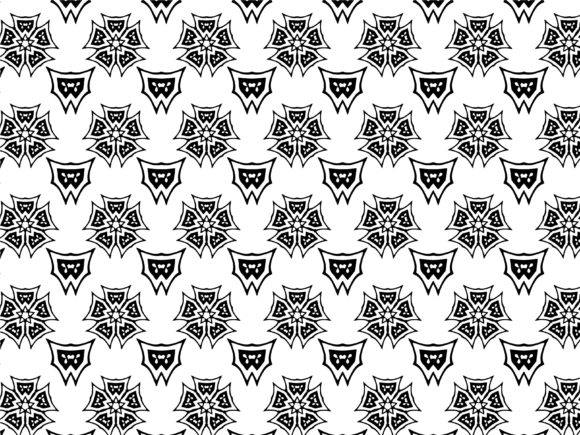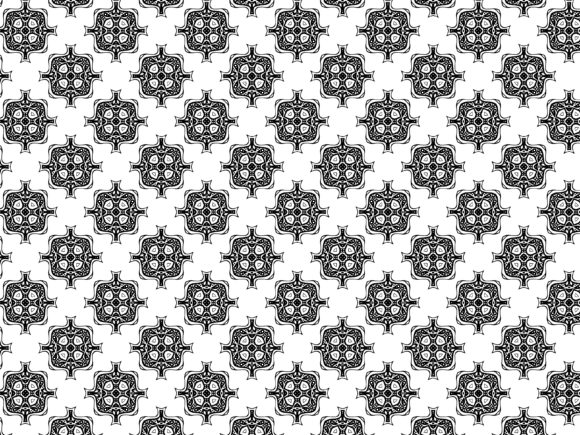
Fractal Pattern Outline: A Versatile Design Resource for Creative Projects
Fractal Pattern Outline is a unique and powerful design resource that offers an infinite variety of geometric shapes, inspired by the natural world. These patterns are based on mathematical principles that repeat at different scales, creating intricate and visually stunning designs. Whether you're working on digital projects, print media, or physical products, Fractal Pattern Outline provides a versatile tool that can elevate your creative output.
For designers, artists, and creators across multiple industries, finding the right visual elements can be a challenge. Traditional pattern designs often lack the depth and complexity needed to stand out in today’s competitive market. This is where Fractal Pattern Outline comes into play. Its self-repeating nature allows for endless customization, making it ideal for those looking for fresh, original, and scalable design solutions.
Understanding Fractal Pattern Outline
Fractal Pattern Outline is not just any repeating design—it's a mathematical concept applied to visual art. Fractals are patterns that repeat themselves at different scales, which means they can be zoomed in or out and still maintain their structure. This characteristic makes them incredibly adaptable for use in various design applications.
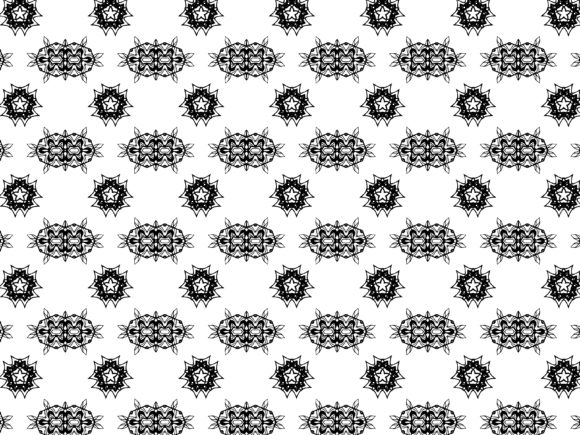
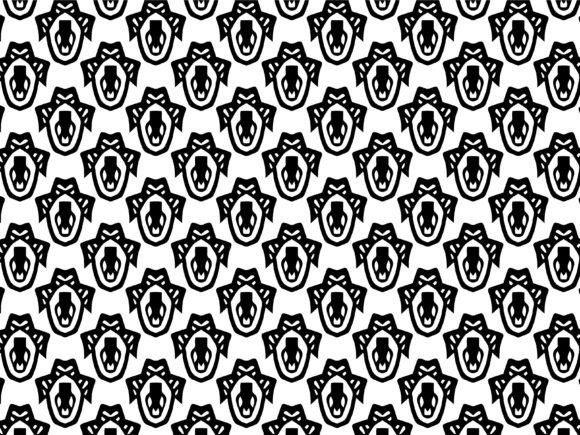
The outline format of these fractal patterns focuses on the structural framework rather than the fill. This approach allows for greater flexibility when integrating the patterns into different materials and mediums. Unlike traditional filled patterns, outlines provide a clean and minimalist aesthetic that can be easily modified or layered with other design elements.
Challenges and Goals in Design
Designers often face challenges such as limited creativity, repetitive visuals, and difficulty in scaling patterns for different uses. Additionally, there's a growing demand for unique and customizable design assets that can meet the needs of diverse industries.
Fractal Pattern Outline addresses these challenges by offering a scalable, infinitely adaptable design format. It allows users to create custom patterns that are both visually engaging and highly functional. Whether you're designing a website background, fabric prints, or packaging for a product, this resource provides a foundation for innovation.
The goal of using Fractal Pattern Outline is to unlock new possibilities in design while maintaining consistency and coherence. By leveraging the natural beauty of fractal geometry, designers can create patterns that feel organic yet structured, making them suitable for a wide range of applications.
Practical Applications of Fractal Pattern Outline
Fractal Pattern Outline has a broad range of applications across multiple industries. Here are some key areas where this design resource can be particularly useful:
- Web Backgrounds: Fractal patterns can add depth and visual interest to websites without overwhelming the user. They work well as subtle background elements that enhance the overall aesthetic.
- Fabric and Textile Design: The outline format allows for easy integration into fabric patterns, making it ideal for fashion, home décor, and interior design.
- Print and Gift Wrapping Paper: These patterns can be used to create eye-catching designs for wrapping paper, greeting cards, and other printed materials.
- Home Decor: From wall art to decorative items, fractal patterns offer a modern and sophisticated look that complements various interior styles.
- Cosmetics and Food Branding: The clean and elegant nature of fractal outlines makes them perfect for packaging and branding in the beauty and food industries.
Each of these applications benefits from the scalability and adaptability of Fractal Pattern Outline. Whether you're creating a simple logo or a complex design, the versatility of these patterns ensures that they can be tailored to fit your specific needs.
How Different Users Can Approach Fractal Pattern Outline
Depending on the user's background and goals, the approach to using Fractal Pattern Outline may vary. For example:
- Graphic Designers: May focus on integrating the patterns into digital projects, using tools like Adobe Illustrator or Photoshop to customize and scale them.
- Textile Artists: Might prefer using the patterns as templates for fabric printing, adjusting the outlines to suit different textures and materials.
- Entrepreneurs: Could leverage the patterns for branding and packaging, using them to create a cohesive visual identity across multiple platforms.
- Artists and Crafters: May explore creative ways to apply the patterns to handmade products, such as jewelry, ceramics, or stationery.
No matter the field, the key is to understand how the patterns can be adapted to fit the specific needs of the project. With the right tools and techniques, Fractal Pattern Outline can become a valuable asset in any designer's toolkit.
Recommendations and Considerations
When working with Fractal Pattern Outline, it's important to consider the following:
- File Formats: The collection includes both AI and JPG formats, allowing for seamless integration into both digital and print workflows.
- Customization: The outline format provides ample opportunity for personalization, whether through color, scale, or layering.
- Scalability: Fractal patterns maintain their integrity when scaled, making them ideal for use in different sizes and resolutions.
- Compatibility: Ensure that the file format you choose is compatible with the software or tools you plan to use.
By keeping these considerations in mind, users can maximize the potential of Fractal Pattern Outline and achieve professional-quality results.
In conclusion, Fractal Pattern Outline is more than just a design resource—it's a gateway to creative exploration and innovation. Whether you're a seasoned designer or just starting out, this collection offers a versatile and adaptable solution that can enhance your work across multiple industries. With its unique properties and wide-ranging applications, Fractal Pattern Outline is a must-have for anyone looking to push the boundaries of visual design.